
You’ve made the decision to explore dental implants, which is an exciting step toward restoring your smile. Sometimes, during the examination, we find that a bone graft may be needed first. While that might sound intimidating, especially if you’ve never heard the term before, there’s no need to worry. A bone graft is a routine, low-risk procedure that simply prepares your mouth for the best long-term implant success.
What is a Dental Bone Graft?
A bone graft is a procedure that adds volume and strength to areas of the jaw where the bone has deteriorated or is too thin to support a dental implant. The material used may come from your own body, a donor source, or a synthetic substitute. Over time, this graft material integrates with your existing bone and creates a solid foundation for an implant to be placed later.
Think of it as reinforcing the ground before building a house. You need a stable base to ensure everything stays secure for years to come.
Why You Might Need a Bone Graft Before Getting Dental Implants
The most common reason for needing a graft is bone loss in the jaw. This can happen for a number of reasons. If a tooth has been missing for a long time, the surrounding bone tends to shrink over time. Gum disease and previous tooth infections can also damage bone in the area, making it unsuitable for implant placement.
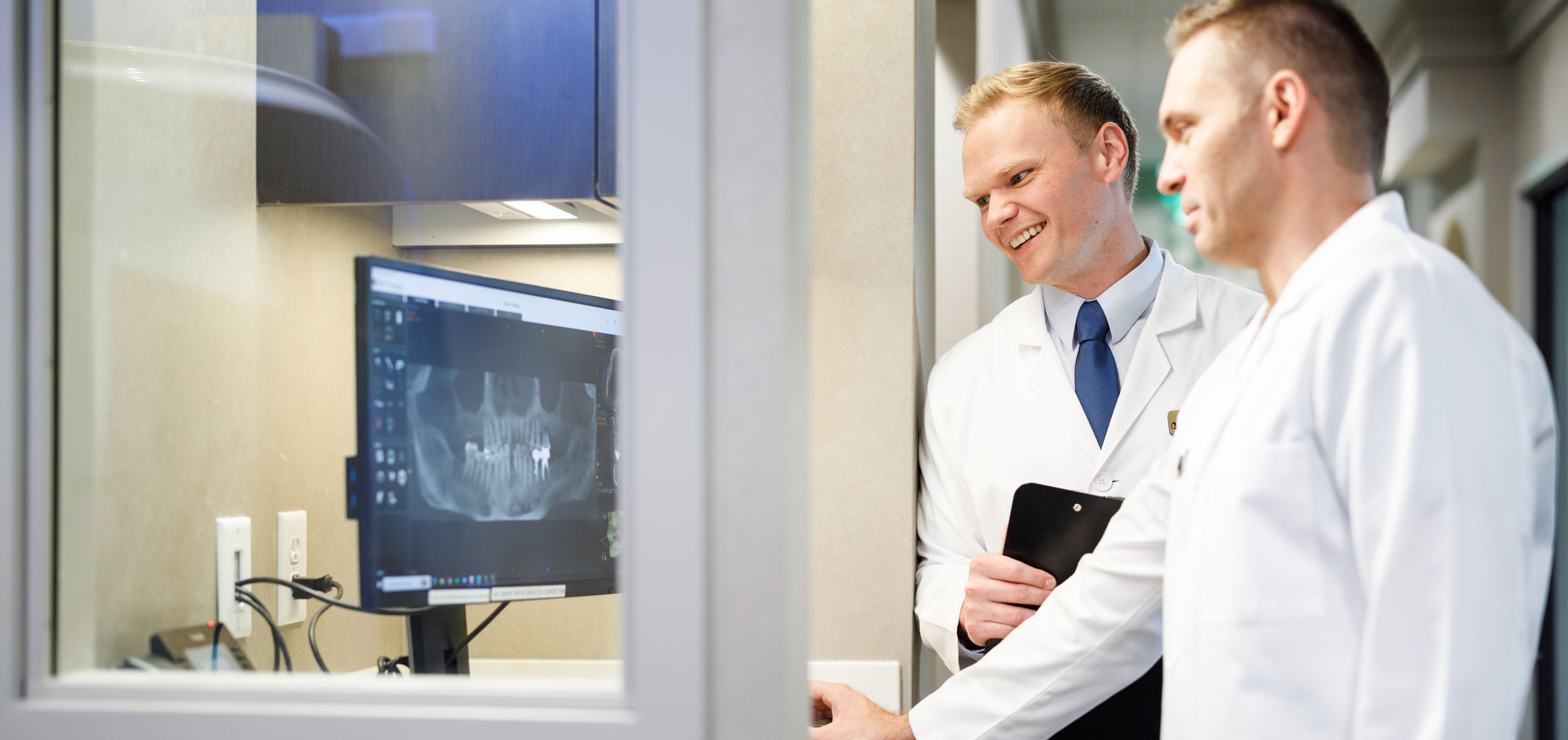
Typically, radiographs or 3D scans will be taken to assess your jawbone. If there isn’t enough healthy bone to hold an implant securely, a graft is often the next best step to ensure your implant will be stable and successful.
Is a Bone Graft Really Necessary?
It’s a fair question. Some patients wonder if they can skip the graft and go straight to the implant. But here’s the issue, without enough bone to anchor the implant, there’s a much higher chance it will fail. That could mean pain, loose implants, poor cosmetic results, or having to start all over again.
In many cases, a bone graft actually shortens the timeline for getting a successful, long-lasting implant by ensuring it heals properly the first time.
What to Expect During the Bone Grafting Procedure
For most patients, a bone graft is a straightforward procedure done under local anesthesia. We numb the area completely, place the graft material where it’s needed, and often cover it with a protective membrane and stitches to protect it during healing.
After the procedure, you’ll be given instructions for caring for the area and managing any minor swelling or soreness. Recovery time can vary but most patients feel back to normal within a few days.
The full healing process takes longer, typically 3-6 months, as the graft material integrates with your natural bone. Once that process is complete, you can move forward with dental implants.
Do Bone Grafts Hurt?
Understandably, this is one of the most common concerns. Most patients say discomfort is mild and much easier than expected – often less than having a tooth removed. We’ll provide medication if needed for post-op soreness and our team will guide you through a smooth and comfortable recovery. The healing process is often more about patience than pain. Giving your body time to build the foundation needed for a successful implant is what is important.
A Small Step Toward a Stronger Smile
Needing a bone graft before getting dental implants doesn’t mean something’s wrong. It simply means your surgical team is taking every step to make sure your dental implant is placed in the healthiest, most stable environment possible. It’s a reflection of our commitment to your long-term success.
If you have any questions about bone grafts, dental implants, or other periodontal procedures, give us a call at (262) 327-6100 or contact us today.